


Trying to balance their class schedule, exams, and social life leaves no time for traditional part-time jobs. In addition, any type of beginner work experience requires many years of experience.
However, there is a great alternative: freelancing. By diving into this freelance market, you can work your own hours, from your dorm room or laptop, as well as develop your professional portfolio so that you have something outstanding on your resume upon graduation.
In order to be successful, you require a platform that provides low barriers to entry, high security with payment protection, and an organized way of winning projects even without previous platform history. Here is the definitive list of the top platforms to start your freelancer journey.
Top 5 Freelance Platforms for Beginners and Students
1. Fiverr
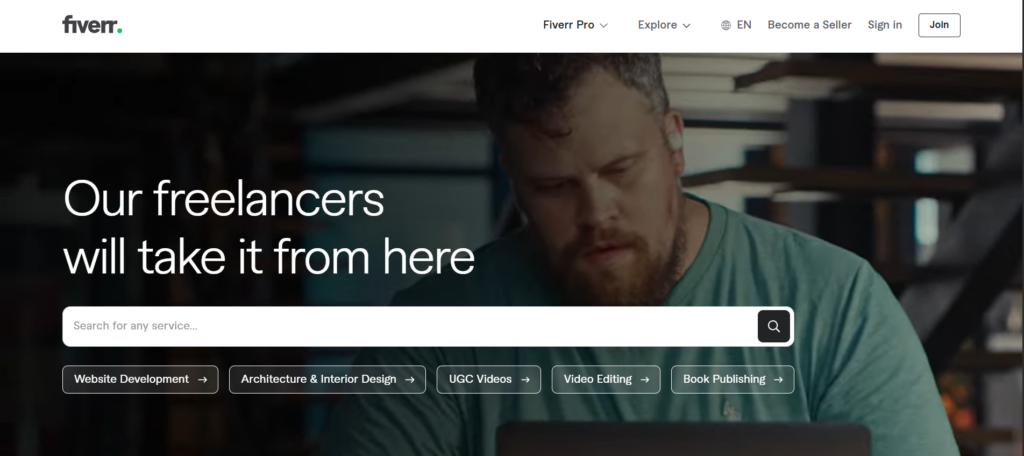
This platform is considered one of the best for students, as it completely turns the normal freelancing process on its head. Rather than wasting your precious study time searching for open projects and sending proposals, you just create a packaged service that you will provide (like “Translate your Spanish article into English for $20”).
Advantage: Clients search for your service in the marketplace like shopping in a store and buy your Gigs. This means that you do not spend time writing an expensive unpaid proposal.
Best For: Graphics, videos, translations, and voice-over work.
Official Website: https://www.fiverr.com/
2. Upwork
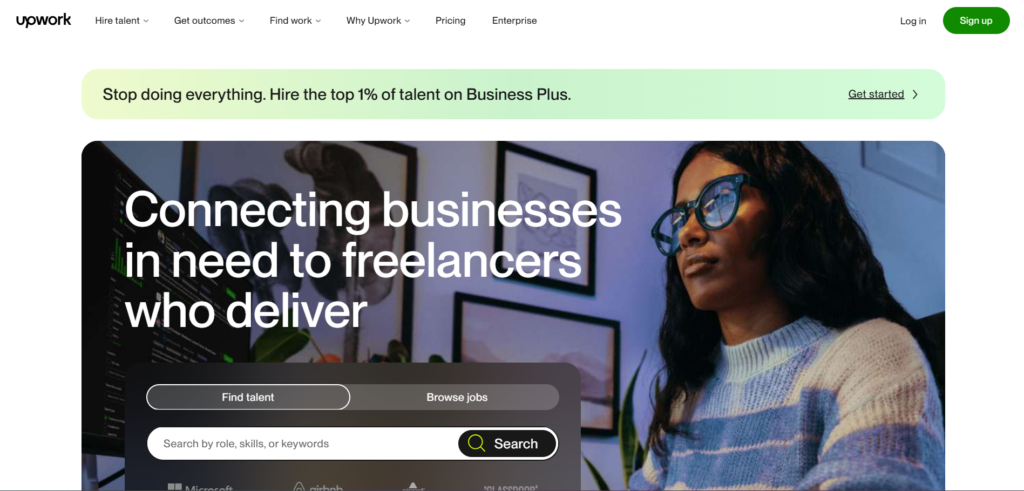
Although it is very competitive, Upwork provides the biggest freelance marketplace volume. It includes anything from simple data entry work to complex software development. Beginners can use its special feature called “Project Catalog” to advertise their services as packaged offers along with proposals.
Advantage: This platform has excellent payment verification with integrated escrow systems. As such, this platform provides complete financial security, meaning that you will receive money for each milestone that was reached, or for the completed flat rate.
Best For: Writing, researching, social media managing, and tutoring.
Official Website: https://www.upwork.com/
3. Freelancer.com
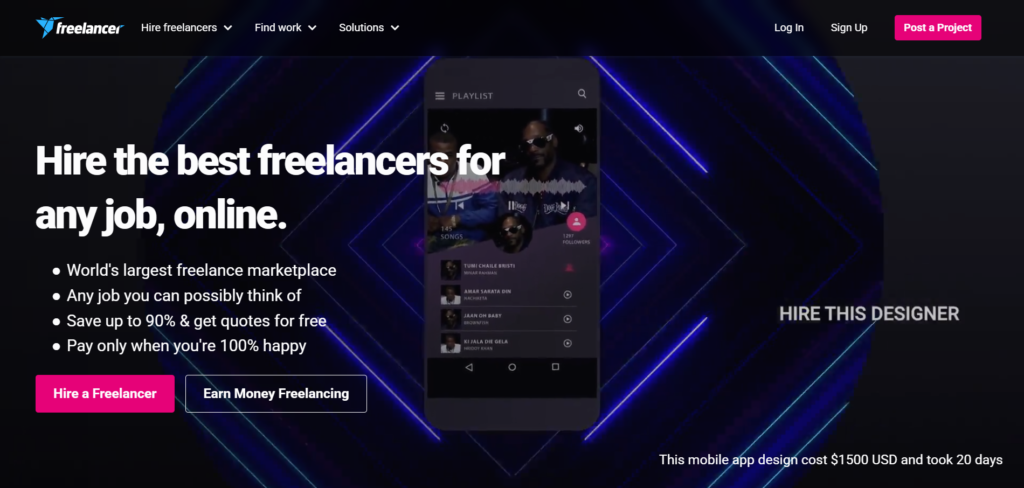
This platform functions using a typical freelance platform model. However, it provides a great opportunity to stand out among other beginners because of Skill Contests. Rather than advertising your skills based on your platform history or CV, you enter a contest hosted by the client by submitting your own designs or code.
Advantage: In contests, you can show your true talents in a more direct way than competing with the veterans of the platform that have been earning money for decades. If your work is selected, you are awarded the prize money while at the same time receiving five-star reviews for your portfolio.
Best For: Graphic designing, logo creation, slogan writing, and frontend web developing.
Official Website: https://www.freelancer.com/
4. Contra
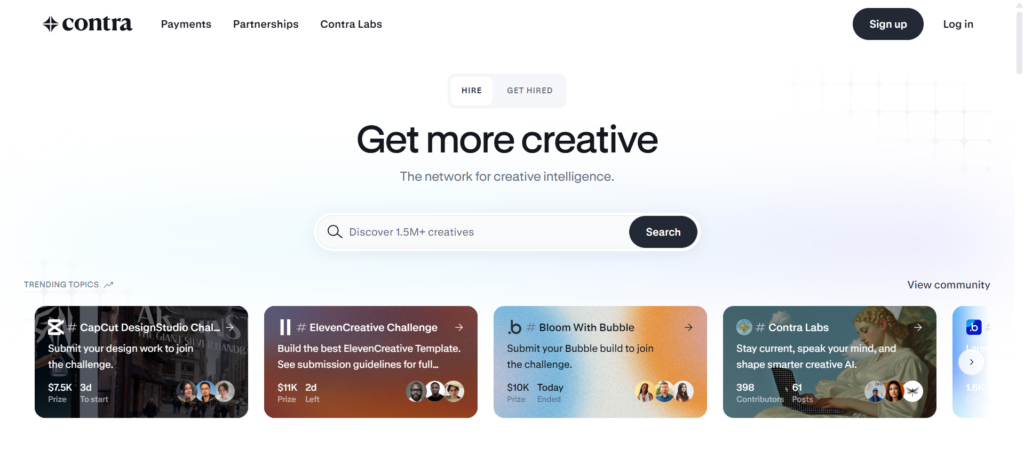
It is a relatively new platform designed specifically for modern digital creators. It is widely known because of its zero-commission policy: legacy freelance websites usually charge freelancers 10% – 20%, while Contra does not charge commissions on any of your projects.
Advantage: This platform is designed to function in a similar way to your portfolio. This way, you present yourself as a sleek digital product, allowing customers to instantly see and purchase your services.
Best For: Digital natives, social media managing, and branding.
Official Website: https://contra.com/
5. Guru
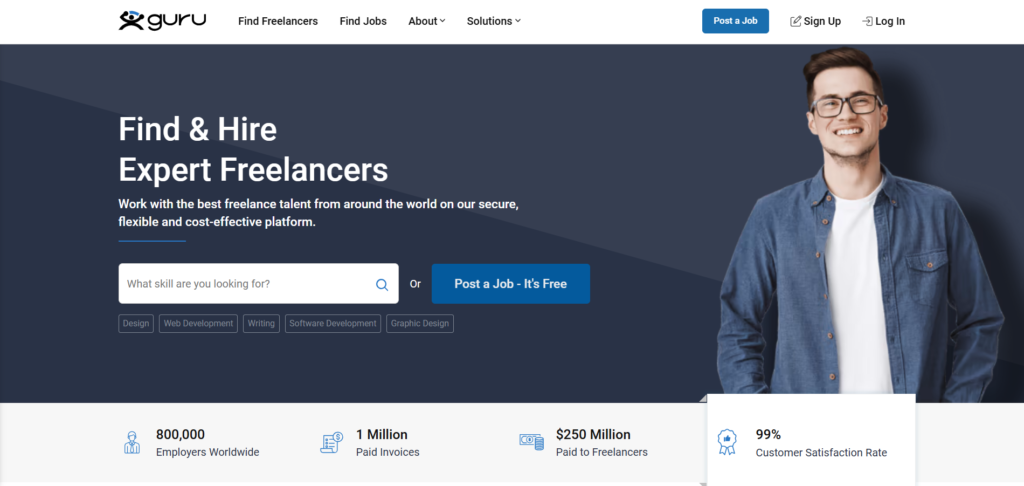
Although it is not as popular as Upwork due to the corporate volume on this platform, it is still a valuable choice because of low noise. Unlike Upwork, here, bots rarely bid on projects and it is more likely that real entrepreneurs will read your personalized offers.
Advantage: Guru uses a safe payment protection system called “SafePay”. At the same time, the low volume of clients on this platform means that you have more chances to attract them.
Best For: Data entry, proofreading, website testing, and administration.
Official Website: https://www.guru.com/
3 Rules for Managing Studying and Freelancing
Productization and Niche Specialization: Do not define yourself as a Designer or Writer. Instead, narrow your focus by specifying your specialization to TikTok video editor, python bug fixer, etc. It will increase your competitiveness and allow finishing each project quickly.
Leverage your schoolwork: When you have no professional experience, try submitting high-quality school assignments as proof that you have the necessary skills.
Set realistic deadlines: Make sure that you finish each project in the allocated 3-5 days (instead of just 1), as this will give you some slack in case of sudden midterms or essay work.
Frequently Asked Questions (FAQ)
Q: Do I need a professional degree or certification to freelance?
A: No, you do not need any credentials, as freelance platforms rely only on your portfolio skills. Therefore, you can demonstrate your abilities by submitting projects to your portfolio.
Q: How much money should a beginner student charge?
A: It is better to charge slightly lower than the average hourly wage (from $15–$25). First, you should focus on gathering 2-3 reviews, as they are more important than income. After building a solid reputation, raise your wages to market price.
Q: How to protect myself from scams?
A: Always insist on communicating inside the official application until the deal is concluded. You should not start working until your client has deposited money into the escrow. If the customer asks for an “administrative, registration, or security fee”, he is a scammer.
Conclusion
Freelancing as a student or beginner comes down to selecting the right platform. If you want a hands-off approach to freelancing, use Fiverr or Contra. If you prefer to look for projects yourself, go for Upwork and Freelancer.com. Choose one of them and begin building your professional career and independence today!


About Me
Welcome to Freelancer Guides. I share freelancing tips, digital skills, online earning ideas, career guidance, and useful resources to help learners grow and succeed.
Recent Post




Gallery











No Comments