



Two years ago, I was sitting in the office of the corporate company, located on the 7th floor of an apartment building in Ahmedabad. For some time, I had grown used to the buzz from fluorescent lighting and my manager’s voice coming from a nearby conference room. That particular day, my soul could take no more of it; and there it happened. I left my 9-5 corporate job and became a freelance marketer.
Nowadays, I am a remote worker from cafes, travel from time to time, choose projects I like, earn much more money than previously, and don’t have to waste my time on commuting or office drama. Here is my full story of becoming a totally independent and free person, what I have experienced on my way, how I made mistakes and how I was able to correct them, as well as how you can create the exact same success story for yourself.
The Breaking Point
When I was leaving the corporative life, I was working in digital marketing for five years and earning ₹8.5 lacs yearly (and other perks and bonuses). It was a tough schedule: 6:30 AM alarm clock, almost 2 hours of driving through Ahmedabad traffic, 9-10 hours of working, and yet another hour of driving home. Pandemic and its restrictions gave me an opportunity to discover my skills and abilities as a freelance marketer. Since early 2021, I was doing some freelancing on the side – writing social media posts for businesses and developing content strategies. Until the middle of 2023, my side income grew up to ₹35,000 per month, despite still working in my corporative job. And then something went wrong.
But quitting a stable job suddenly is never the best option. Therefore, I decided to prepare for it for six months (or more) and continue working simultaneously. Such preparation period was essential for my freelancing journey.
Step 1: Building the Skills to Make Money Online
One of the major misconceptions about being a freelancer is that you have to have loads of skills, diplomas, and certificates to enter this market. Nope, you simply should learn a profitable skill and master it better than anyone else.
The skills I decided to build before starting freelancing include writing various texts, copywriting, and managing social media accounts. Luckily, I already had some fundamental knowledge in all the above thanks to my previous work experience.
Steps taken:
- Taking some courses from Coursera and YouTube channels (Google Digital Garage and Hubspot Academy).
- Reading books about copywriting and sales – Ann Handley’s Everybody Writes and Bryan Eisenberg’s Cashvertising.
- Practicing daily by re-writing texts of the company I worked for and creating various marketing campaigns for different products.
- Creating my own portfolio with the help of free online tools – Carrd.co and Google Drive.
- I selected specialization “LinkedIn content strategy for coaches and consultants”. Specialized freelancing jobs pay much higher than regular.
Step 2: Building Your Proof and Portfolio
With no previous experience as a freelancer, I created my portfolio in a rather untraditional way:
- Developed 10 samples of LinkedIn carousel and long post.
- Developed my personal brand on this platform, growing it to 5k subscribers and gaining experience in page growth.
- Offered my services for free or for a reduced price to three local businesses to get references and examples.
Those projects turned out to be my best proof and portfolio. One of my clients was able to grow his account to 8k subscribers within 4 months of working together. Until nowadays, I get new clients and orders based on this example.
Step 3: Being Financially Prepared: Freedom Fund
This step is necessary for all who want to become successful freelancers. I applied the “6-months rule”; however, made it even stricter for myself.
Before quitting the job:
- Have enough funds saved to support myself for 8 months (₹4.5-5 lakhs).
- Pay off all the credit card debts.
- Have an extra emergency fund.
Have health insurance paid by the employer (which I changed once I quitted the job).
Moreover, I increased my earnings substantially. In the last months prior to the job switch, I was working 15-20 hours per week on freelancing and earned over ₹70,000 as side income.
Step 4: Getting Your First Paying Clients
During my freelance life, I worked on several platforms; but mostly on these two.
Upwork
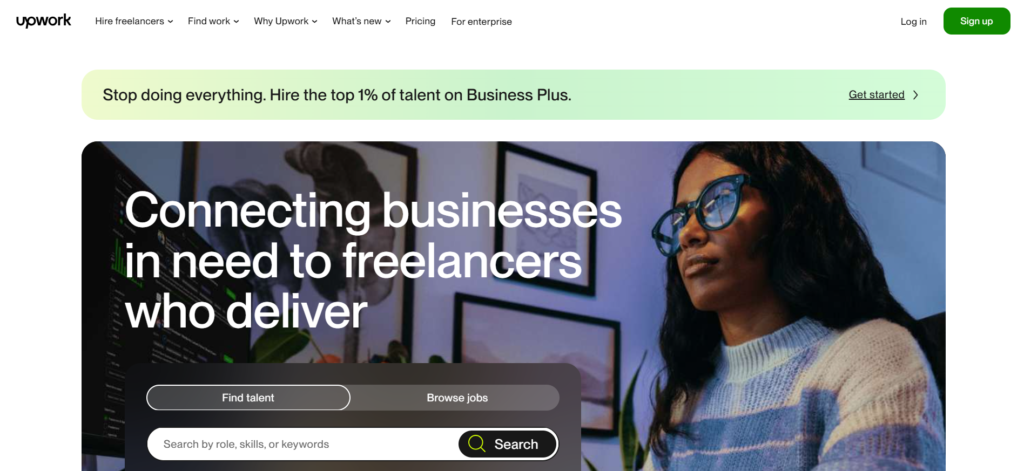
Once I got my solid portfolio and proposal ready, I successfully got my first paying job from Upwork. It was a content strategy for ₹150. As I exceeded my client’s expectations, I landed a long-term order from him.
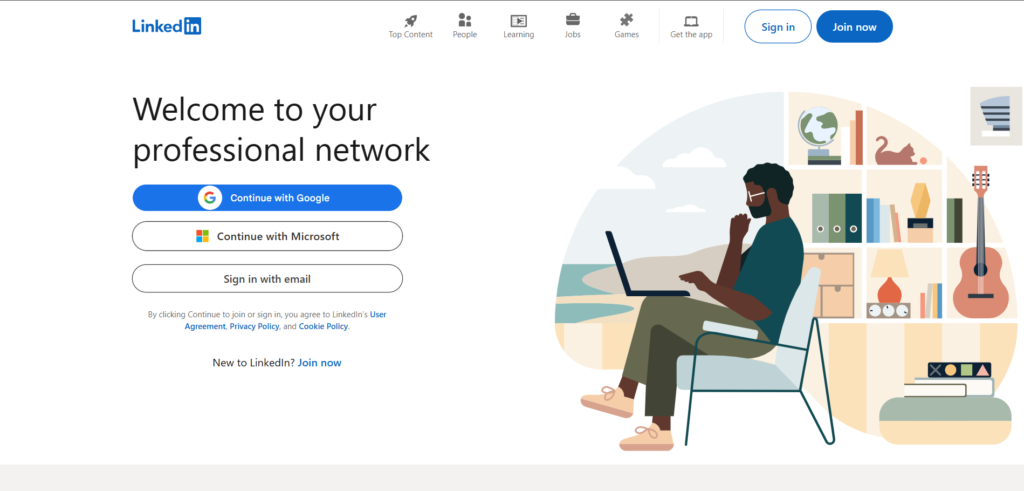
To attract my first customers, I posted useful content related to content strategy on my LinkedIn profile. Prospective clients found me here and contacted me. My best deal was made this way, too – ₹1.2 lakhs for 3 months.
Cold outreach
I reached out to 20 different companies on a weekly basis, pitching my services and getting 8-10% of successful conversions. But those who did hire me as a result turned out to be my best clients ever.
Networking and referrals – Once I received 3-4 good reviews, I asked those clients to refer their colleagues. This was the most helpful technique for scaling.
By the time I decided to quit my job, I had already secured projects for ₹1.1 lacs monthly.
Quitting My Corporate Job
On March 15, 2024, I came into the manager’s cabin to hand him my resignation letter. Shocking faces were all over there. But I did receive some compliments after that. I served the notice period for 30 days honestly.
Having connections in the corporate world proved to be useful, as my former colleagues were sending freelance work to me regularly.
The First 90 Days of My Freelance Career: Complete Transparency
After enjoying my freelancing euphoria for the first couple of weeks, I found myself facing real problems.
Problems:
• Inconsistent income – from ₹1.8 lakhs to ₹95,000 monthly because of a pause in one large client.
• Unreasonable client expectations – he keeps adding tasks without adding new payments.
• Social isolation – no chats with colleagues anymore. I have to find motivation somewhere else.
• Imagining myself as an impostor.
All these challenges I managed to handle with systems.
Systems I implemented to solve the abovementioned issues:
• The monthly income goal and daily tasks checklist created on Notion.
• Setting contracts and limitations for revisions.
• Getting involved in various freelance communities (Freelancers’ groups on Facebook, r/freelance sub-reddit, freelance WhatsApp groups in India).
• My work “schedule” (9 AM to 6 PM, whether I am in office or not).
A diversification of services also helps in solving some of the challenges listed above.
Income Growth
Month 1-3 – ₹1.2 – 1.6 lakhs
Month 4-6 – ₹1.8 – 2.4 lakhs
Month 7-12 – Above ₹2.8 lakhs
Year 2 – On average, ₹3.5 – 4.2 lakhs per month
I reached the following goals:
• Increased my fee for writing per thousand words from ₹1500 to ₹4500.
• Started receiving fixed-price payments instead of hourly ones.
• Launched retainer-based services.
• Built productizing my services, e.g. “LinkedIn Content Strategy System” worth ₹85000 for three months.
• Created passive income sources – Notion templates and courses sold on Gumroad.
Key Skills a Freelance Marketer Should Have
1. Communication – ability to write professional proposals and send progress reports.
2. Time management – practicing Pomodoro technique and using scheduling apps (Toggl and others).
3. Salesmanship – 70% of freelancer’s job is selling and only 30% is actual work.
4. Learning and Development – spending at least 5-7 hours weekly studying.
5.Personal Branding – my LinkedIn profile provided me over 60% of my clients.
Lessons Learned: Final Thoughts for You
Don’t leave your present job suddenly – first, build up your side income so that you can survive.
Be wise in choosing your niche. “I offer social media management” is a terrible statement. “I grow fitness coach’s Instagram account to 5k subscribers in 90 days” sounds better.
Showcase extraordinary results from the very beginning of your freelancing career to receive positive testimonials and additional referrals.
Freelancing is a business, so remember to register as a freelancer in case of need and pay tax declarations accordingly.
Manage your time. Learn to say “no”.
Create some followers to showcase your expertise.
Try saving at least 30-35% of income from taxes.
My Current Lifestyle
Today, as a freelance marketer, I wake up every morning without an alarm clock. Spending 4-6 hours daily at my work is not a problem anymore. Travelling across various amazing parts of India (Goa, Himachal, Udaipur) became my routine. Besides, I spend much more time with my family and loved ones. I feel way less stressed now.
Of course, sometimes I have to struggle with time management and unreasonably demanding clients. But it’s okay, as freelancing gives me freedom.
Your Turn!
Are you interested in my story and wish to make yours similar? Start now!
All you need to do is build your skills, earn enough to live, find your first clients, and become a freelance marketer!


About Me
Welcome to Freelancer Guides. I share freelancing tips, digital skills, online earning ideas, career guidance, and useful resources to help learners grow and succeed.
Recent Post




Gallery











No Comments